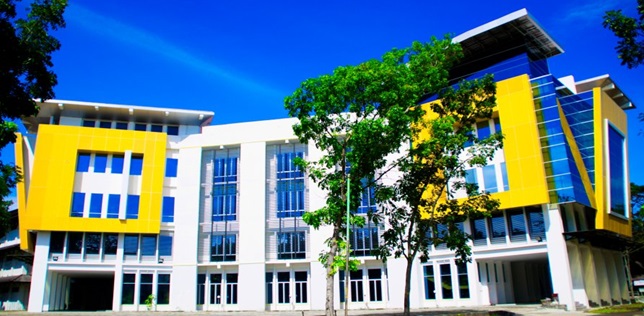
Hero Background

The 11th Annual International Seminar on Transformative Education and Educational Leadership (AISTEEL)

2026 | Emerald Garden Hotel, Medan City, September 23, 2026

Submission Deadline

--
Days
--
Hours
--
Minutes
--
Seconds

Call for Papers & Participation

We invite researchers, educators, and professionals to join The 11th Annual International Seminar on Transformative Education and Educational Leadership (AISTEEL) (AISTEEL 2026).

Accepted papers will undergo a rigorous peer-review process. Selected papers will be submitted to EAI Proceedings (eai.eu) for publication, offering international recognition for your research.

About The Conference

AISTEEL Logo

Welcome to the 11th Annual International Seminar on Transformative Education and Educational Leadership (AISTEEL 2026), to be held on September 23, 2026 at Emerald Garden Hotel in Medan City. This year, the seminar highlights a highly relevant theme: "Advancing Intelligent Educational Systems through Simulation, Analytics, and Smart Learning Technologies." AISTEEL 2026 aims to bring together diverse research and case studies from around the world to explore the latest trends, innovations, and challenges in modern education. Join us at this leading international event to delve into specialized topics, including simulation-based learning, virtual laboratories, cyber-physical systems, human-computer interaction, smart learning environments, educational data analytics, and data-driven institutional management. Organized as a prestigious platform for academicians, researchers, education leaders, teachers, and students, the seminar fosters the exchange of knowledge and collaboration with global experts through engaging parallel sessions, while offering valuable opportunities for networking and publication. All full paper submissions will undergo rigorous peer review and will be evaluated for originality, research depth, technical accuracy, and alignment with the AISTEEL 2026 theme and topics.

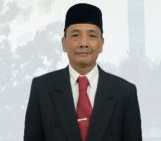
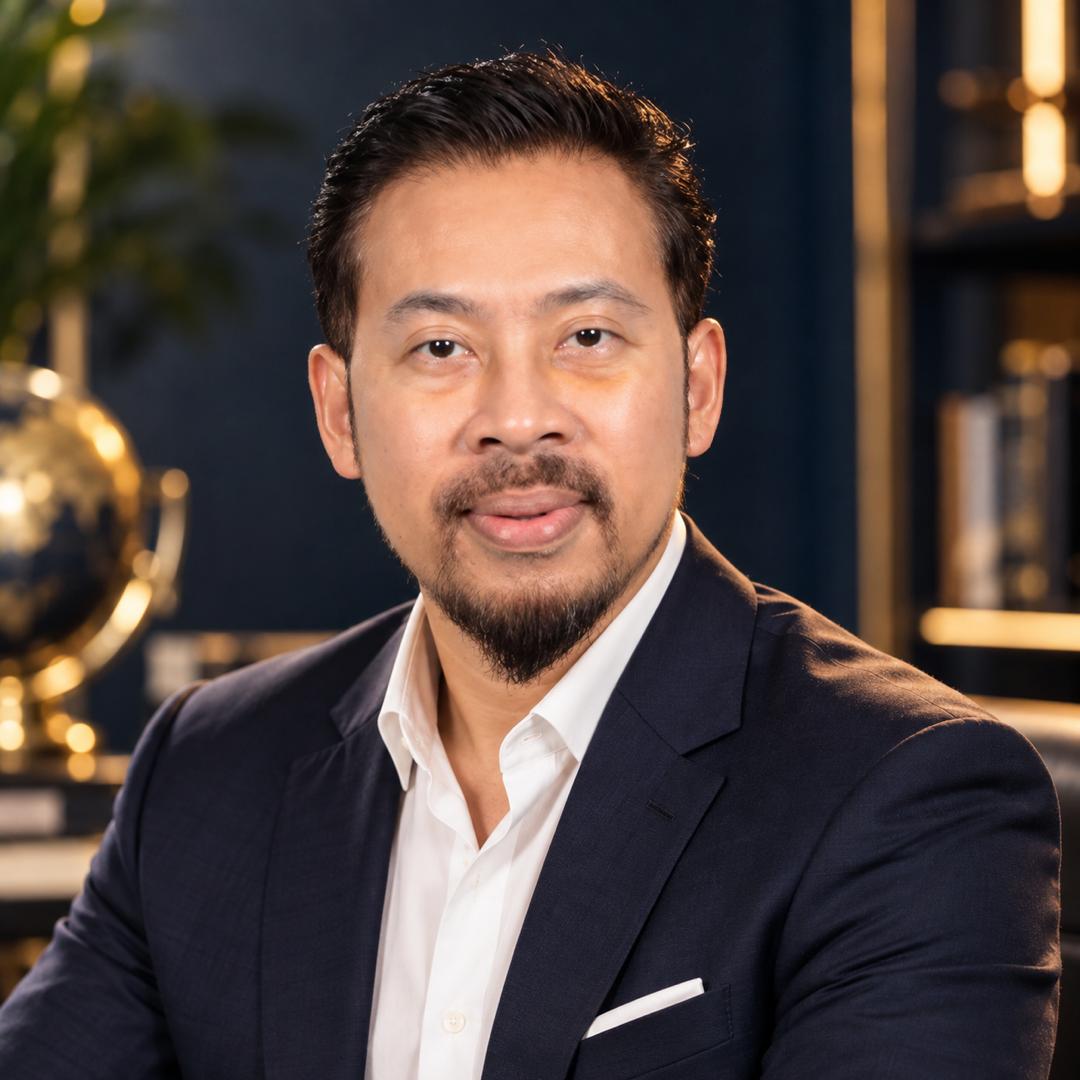
Drs. Eddiyanto, Ph.D

Chairperson's Foreword

"Welcome to AISTEEL 2026. We are thrilled to host this gathering of brilliant minds to discuss transformative education and digital learning innovations. Together, let us shape a sustainable and inclusive educational ecosystem for the future."

Drs. Eddiyanto, M.Si, Ph.D
Chairperson AISTEEL

Networking

Connect with leading researchers, academics, and industry professionals in your field.

Knowledge Sharing

Discover cutting-edge research and the latest developments in the field.

Publication

Accepted papers will be published in the conference proceedings with potential for journal special issues.

Organized By

UNIMED Logo
Universiti Malaya Logo

Keynote Speakers

Photo of Prof. Stefan Hrastinski

Prof. Stefan Hrastinski

He is a Deputy Head of Department for Research and Director of Research Education at the Department of Learning in Engineering Sciences at KTH Royal Institute of Technology.

KTH Royal Institute of Technology, Sweden

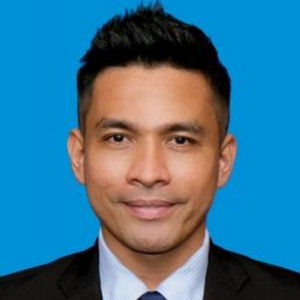
Photo of Prof. Dr. Hutkemri

Assoc. Prof. Dr. Hutkemri Zulnaidi

He specializes in mathematics education, educational technology, problem solving, assessment and measurement, statistics, and quantitative research methods.

University of Malaya

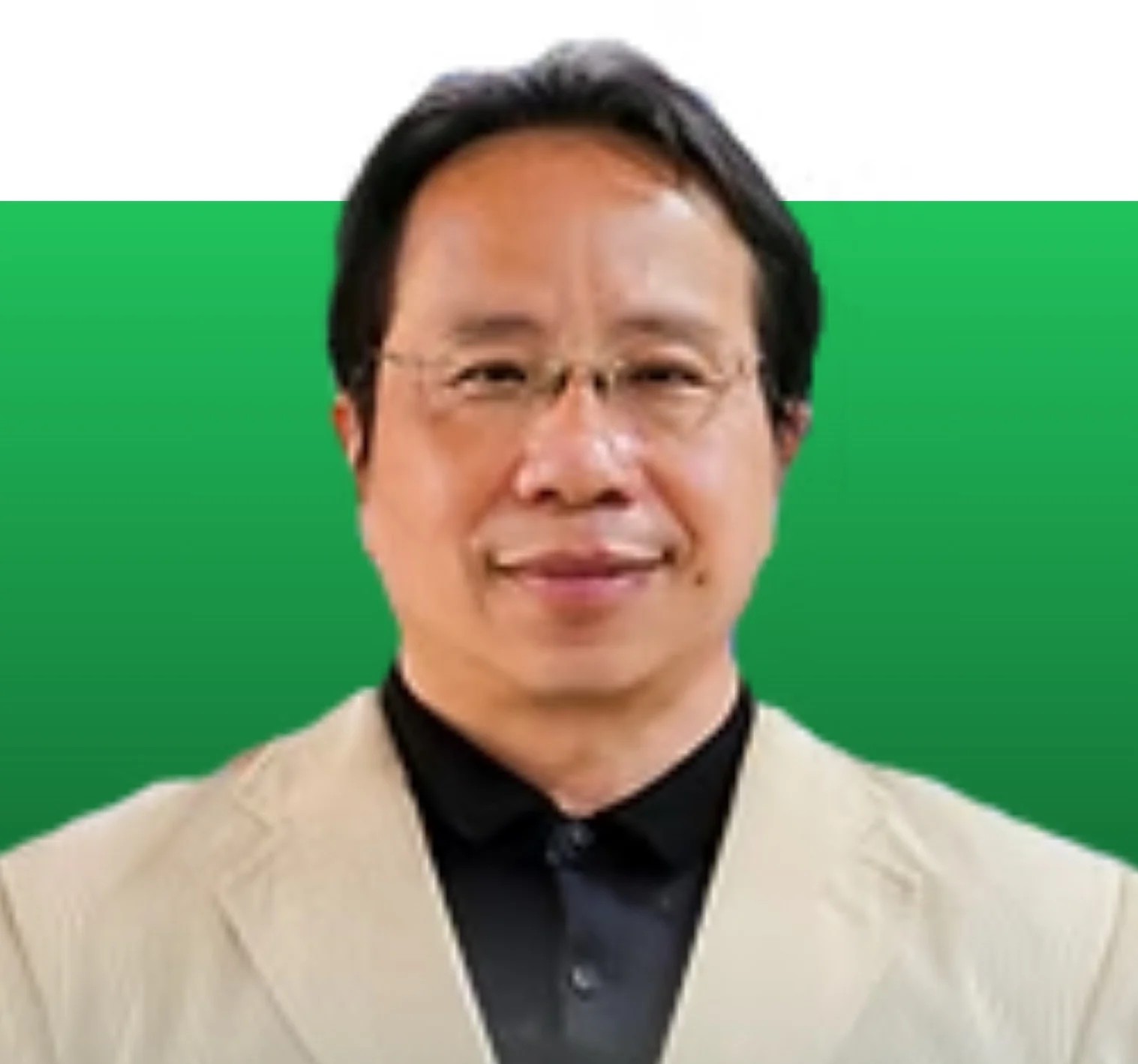
Photo of Prof. Hwang Wu-Yuin, Ph.D

Prof. Hwang Wu-Yuin, Ph.D

He is a distinguished professor at the Institute of Network Learning Technology, National Central University, Taiwan.

National Central University, Taiwan

Conference Topics

“Transformative Educational Management and Digital Learning Innovation for Sustainable, Inclusive, and Intelligent Education Ecosystems”

Transformative Educational Leadership and Governance

Educational Management, Quality Assurance, and Institutional Innovation

Digital Learning Innovation and Technology-Enhanced Pedagogy

Artificial Intelligence, Learning Analytics, and Smart Education

Curriculum Transformation and Outcome-Based Education

Inclusive and Sustainable Education in the Digital Era

Research, Evaluation, and Development in Educational Management

Human Capital, Professional Development, and Lifelong Learning

Policy

1. General Publication Policy

AISTEEL 2026 is an international scholarly forum designed to facilitate the dissemination of research findings, innovations, and best practices in education, educational leadership, learning technology, intelligent educational systems, learning analytics, simulation, and related fields.

Accepted and presented papers that comply with ethical standards, formatting requirements, administrative requirements, and final publication checks may be processed for publication through EAI Computing and Communication in Emerging Regions – CCER, subject to EAI’s final approval and publication procedures.

Acceptance by AISTEEL 2026 does not automatically guarantee publication. A paper may be excluded from the publication process if it fails to comply with the required template, publication ethics, metadata requirements, source file requirements, copyright form requirements, or other conditions established by EAI.

2. Scope and Topics

AISTEEL 2026 welcomes scholarly papers related to the main theme:
“Transformative Educational Management and Digital Learning Innovation for Sustainable, Inclusive, and Intelligent Education Ecosystems”

Topics of interest include, but are not limited to:

  1. Transformative Educational Leadership and Governance
  2. Educational Management, Quality Assurance, and Institutional Innovation
  3. Digital Learning Innovation and Technology-Enhanced Pedagogy
  4. Artificial Intelligence, Learning Analytics, and Smart Education
  5. Curriculum Transformation and Outcome-Based Education
  6. Inclusive and Sustainable Education in the Digital Era
  7. Research, Evaluation, and Development in Educational Management and Technology
  8. Human Capital, Professional Development, and Lifelong Learning

Papers outside the conference scope may be rejected during the desk review stage.

3. Originality and Duplicate Publication Policy

All submissions to AISTEEL 2026 must be original works and must not have been previously published or be under review for publication elsewhere.

Authors are prohibited from engaging in:

  • Plagiarism;
  • Self-plagiarism or inappropriate reuse of previously published work;
  • Duplicate publication;
  • Data fabrication or falsification;
  • Citation manipulation;
  • Peer-review manipulation;
  • Copyright infringement;
  • Use of data, figures, tables, or instruments without proper permission or attribution.

The committee reserves the right to conduct similarity checks. Papers with excessive similarity or suspected ethical violations may be rejected, withdrawn from acceptance, or removed from the publication process.

4. Research Ethics Policy

Authors are responsible for ensuring that their research has been conducted in accordance with academic and research ethics principles.

For studies involving human participants, authors must obtain ethical approval from an appropriate ethics committee or authorized institution where required. Authors must also obtain informed consent from participants or legally authorized representatives, particularly when the study involves personal data, recordings, photographs, videos, children, vulnerable groups, or identifiable information.

For studies involving animals, authors must comply with applicable ethical standards and regulations.

Authors must protect data confidentiality, participant privacy, and secure data storage. Identifiable personal information must not be published without valid consent.

5. Authorship and Contribution Policy

All listed authors must have made significant contributions to the conception, design, execution, analysis, interpretation, or writing of the research.

All authors must:

  • Approve the final version of the manuscript before submission;
  • Agree on the order of authorship;
  • Ensure the accuracy of affiliations, countries, email addresses, and ORCID information where available;
  • Define the corresponding author before submission;
  • Take responsibility for the integrity of the data, results, and manuscript content;
  • Disclose funding sources, technical assistance, or contributions from individuals who do not meet authorship criteria.

Changes to author names, order, or number after acceptance may only be made for valid academic reasons, with approval from all authors and the committee/editor.

6. Artificial Intelligence Use Policy

The limited use of generative AI or AI-assisted tools is permitted for language editing, grammar checking, preliminary idea development, or technical assistance, provided that such use does not replace the intellectual responsibility of the authors.

AI tools must not be listed as authors or co-authors.

Authors must transparently disclose the use of AI when AI tools are used in manuscript preparation, data analysis, figure generation, table generation, code generation, or any other process that affects the scholarly content of the paper.

Authors remain fully responsible for the accuracy, originality, reference validity, data correctness, and ethical compliance of the entire manuscript, including any part assisted by AI.

Hidden prompts, concealed instructions, or any elements intended to manipulate reviewers, editors, detection systems, or the evaluation process are strictly prohibited.

7. Manuscript Preparation and Template

All papers must be prepared using the official EAI CCER template.

Manuscripts may be prepared in Microsoft Word or LaTeX. After acceptance, authors must provide:

  • Final PDF file;
  • Word or LaTeX source file;
  • Supporting files if requested;
  • Complete article metadata;
  • Copyright form through the system determined by EAI.

Figures must be high resolution and must not be blurry, pixelated, or grainy. Tables and formulas must be provided in editable text form, not merely as images.

Papers that do not use the official template, are incomplete, or do not comply with formatting requirements may be returned for correction or excluded from the publication process.

The citation and reference style must follow the Vancouver or author-number system according to the EAI template.

8. Language Policy

All papers must be written in clear and proper academic English. Authors are responsible for proofreading their manuscripts before submission.

Papers with very poor language quality may be returned for correction or rejected if the language quality prevents effective review or publication processing.

9. Submission Procedure

Authors must submit their papers through the official AISTEEL 2026 submission system or another system determined by the committee.

Each submission must include:

  1. Paper title;
  2. Full names of all authors;
  3. Affiliations, countries, and email addresses;
  4. Corresponding author information;
  5. Abstract and keywords;
  6. Manuscript file using the required template;
  7. Originality and publication ethics statement;
  8. Conflict of interest statement;
  9. Funding statement, if any;
  10. AI use disclosure, if any.

Submission of a paper indicates that the authors agree to comply with all AISTEEL 2026 policies and EAI publication requirements.

10. Peer Review Process

AISTEEL 2026 applies a peer review process to ensure the academic quality, relevance, originality, scholarly contribution, and ethical compliance of each paper.

Each paper will be reviewed by reviewers with relevant expertise. To comply with EAI publication cooperation standards, the committee aims to assign at least three reviewers to each paper.

The review process must be objective, fair, confidential, and free from conflicts of interest. Reviewers must provide constructive, professional, and academically grounded feedback.

Possible decisions include:

  • Accepted;
  • Accepted with minor revision;
  • Accepted with major revision;
  • Rejected.

The final decision rests with the Program Chair/Volume Editor based on reviewer comments, scope suitability, academic merit, and compliance with EAI requirements.

11. Revision Requirements

Authors receiving a revision decision must revise their papers according to reviewer comments and within the specified deadline.

Authors must upload:

  1. Revised manuscript;
  2. Response to reviewers;
  3. Marked changes if requested.

Papers not revised within the deadline may be considered withdrawn from the conference and publication process.

12. Registration and Presentation Policy

At least one author of each accepted paper must register for and present the paper at AISTEEL 2026.

Papers that are not presented may be excluded from the proceedings publication process.

Registration fees, payment deadlines, refund policy, and other administrative requirements will be announced on the official AISTEEL 2026 website.

13. Camera-Ready and EAI Confy Process

After acceptance, authors must prepare the camera-ready paper using the official EAI CCER template.

Camera-ready papers must be uploaded through the system determined by EAI, namely Confy, or through a dedicated uploader appointed by the committee and EAI.

Authors must sign the copyright form according to EAI procedures. Papers without copyright forms, source files, or complete metadata cannot be processed further.

14. Copyright and Licensing

Authors must comply with copyright requirements established by EAI.

By submitting the camera-ready paper, authors declare that the paper does not infringe any third-party rights and that all third-party materials, including figures, tables, instruments, datasets, or other materials, have obtained the necessary permission or attribution.

15. Proofreading, Metadata, and Final Proof

Before publication, papers may undergo EAI typesetting and final proofing. The author or appointed contact person must check the metadata, author names, affiliations, title, abstract, keywords, DOI, and completeness of the paper.

Metadata errors may be difficult to correct after publication. Therefore, authors must ensure that all information is accurate before final approval.

16. Publication, DOI, and Open Access

Papers that meet all requirements will be processed for publication in the European Union Digital Library through the EAI CCER series, subject to EAI’s final decision and publication procedures.

Each published paper will receive a DOI. The proceedings will be published as Open Access, allowing readers to access full-text PDFs through EUDL.

17. Indexing Policy

EAI CCER proceedings are indexed or submitted to indexing databases according to EAI’s indexing policy.

AISTEEL 2026 must not state that papers are guaranteed to be indexed by Scopus or Web of Science. The recommended statement for website or promotional materials is:

“Proceedings will be published in EUDL and will follow EAI’s indexing policy. EAI submits eligible proceedings to major indexing databases; however, final acceptance for indexation is determined by the respective indexing databases.”

18. Conflict of Interest Policy

Authors, reviewers, editors, and committee members must disclose any conflict of interest that may affect the objectivity of the academic process.

Conflicts of interest may include financial, institutional, personal, professional, academic competition, or other interests that may influence judgment.

Reviewers must not review papers in which they have a direct conflict of interest.

19. Manuscript Confidentiality

Manuscripts submitted to AISTEEL 2026 are confidential documents during the review process.

Reviewers, editors, and committee members must not share, use, or discuss manuscript content with unauthorized parties before publication.

20. Ethical Violations, Corrections, and Retractions

If a suspected ethical violation is identified, the committee/editor may request clarification from the corresponding author.

If a serious violation is confirmed, possible actions include:

  1. Rejection of the paper;
  2. Withdrawal of acceptance;
  3. Removal from the publication list;
  4. Notification to the authors’ institution;
  5. Request for correction;
  6. Retraction if the paper has already been published.

Decisions will be made based on transparency, fairness, and compliance with EAI guidelines.

21. Use of EAI Name and Logo

The EAI/EUDL name, logo, and identity may only be used on the AISTEEL 2026 website, call for papers, flyers, social media, or official documents after the MoU between AISTEEL/UNIMED and EAI has been signed by both parties.

Before the MoU is signed, the committee must not claim final publication cooperation or use EAI/EUDL logos in promotional materials.

22. Closing Statement

By submitting a paper to AISTEEL 2026, authors confirm that they have read, understood, and agreed to comply with all applicable policies, rules, and instructions.

The AISTEEL 2026 committee reserves the right to update this policy in accordance with academic, administrative, and official EAI requirements.

AISTEEL 2026 workflow

Important Dates

These milestones come directly from the active edition settings used by registration, screening, review, revision, payment, and conference controls.

  1. Initial full-paper submission

    Authors submit the initial manuscript through their edition workspace.

  2. Initial screening complete

    The committee completes scope, format, and readiness screening.

  3. Notification of acceptance

    Authors receive the initial screening outcome and the next action.

  4. First review round complete

    Assigned reviewers submit the structured assessment.

  5. Author revision deadline

    Authors upload the requested revision without replacing prior evidence.

  6. Final reviewer check

    Reviewers complete the final check on the latest revision.

  7. Final decision

    The chair records the acceptance, revision, or rejection decision.

  8. Camera-ready deadline

    Accepted authors submit the publication-ready version.

  9. Registration and payment deadline

    Eligible participants complete registration and payment verification.

  10. Conference day

    The AISTEEL program takes place at the configured venue.

Paper Submission

Guidelines for Authors

Downloadable author guide

Keep the complete AISTEEL 2026 workflow at hand

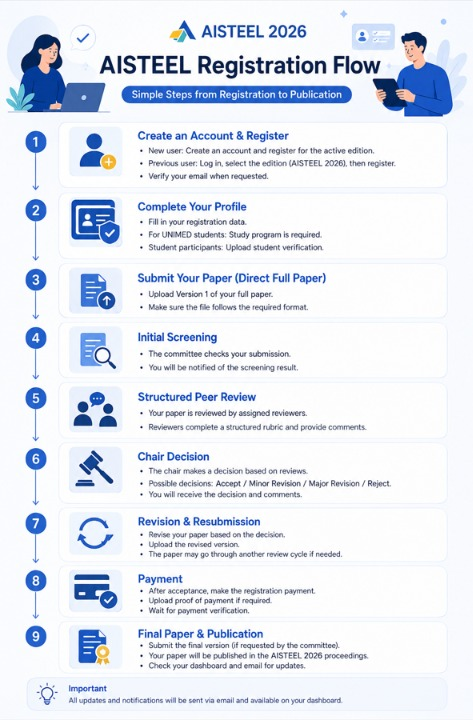
View the complete registration and publication journey here, or download the infographic so you can follow every step while working from your author dashboard.

All official updates, review decisions, payment notices, and publication progress remain available in your dashboard.

AISTEEL 2026 registration flow from account creation through final paper publication
PNG infographic · Click the preview to enlarge

AISTEEL 2026

Registration & Publication Flow

Nine clear steps guide authors from account registration to publication in the official proceedings.

  1. 1
    Create an Account & Register

    Create your account, select the active edition, and verify your email.

    Step 1
  2. 2
    Complete Your Profile

    Complete your registration, institution, and participant profile information.

    Step 2
  3. 3
    Submit Your Paper

    Upload version 1 of your full paper using the required file format.

    Step 3
  4. 4
    Initial Screening

    The committee checks completeness, scope, and submission readiness.

    Step 4
  5. 5
    Structured Peer Review

    Assigned reviewers score the paper and provide structured feedback.

    Step 5
  6. 6
    Chair Decision

    Receive an Accept, Minor Revision, Major Revision, or Reject decision.

    Step 6
  7. 7
    Revision & Resubmission

    Address the requested changes and upload the next manuscript version.

    Step 7
  8. 8
    Payment

    Complete payment when eligible, upload proof, and await verification.

    Step 8
  9. 9
    Final Paper & Publication

    Submit the final version and follow publication updates in your dashboard.

    Step 9

Papers should be submitted in Word format (Doc, Docx) according to the provided template.

Review Criteria

Papers will be reviewed based on originality, technical quality, clarity, and relevance.

Submission Process

Register for AISTEEL 2026, complete your profile, and upload the full paper directly. The committee performs initial screening before topic-aware reviewer assignment. Any requested correction is uploaded as the next version in the same workspace.

  1. 1. Full-paper version 1
    PDF, DOC, or DOCX before 25 Aug 2026.
  2. 2. Initial screening
    Passed, Revision, or Rejected with a committee reason.
  3. 3. Structured peer review
    Six scored criteria plus documented feedback.
  4. 4. Decision and payment
    An accepted presenter becomes payment-eligible.

Already registered in an older edition? Reuse the same account and create a separate registration for 2026.

Conference Topics

  • Transformative Educational Leadership and Governance
  • Educational Management, Quality Assurance, and Institutional Innovation
  • Digital Learning Innovation and Technology-Enhanced Pedagogy
  • Artificial Intelligence, Learning Analytics, and Smart Education
  • Curriculum Transformation and Outcome-Based Education
  • Inclusive and Sustainable Education in the Digital Era
  • Research, Evaluation, and Development in Educational Management and Technology
  • Human Capital, Professional Development, and Lifelong Learning

Registration Fees

Overseas

Participants Early bird
(23 Jul - 25 Aug, 2026)
Normal Rate
(26 Aug - 17 Sep, 2026)
Presenter (single) USD 230 USD 270
Extra one paper USD 120 USD 170
Student Presenter* USD 150 USD 200
Participant USD 150 USD 200
Student Participant* USD 30 USD 30

Domestic/Local

Participants Early bird
(23 Jul - 25 Aug, 2026)
Normal Rate
(26 Aug - 17 Sep, 2026)
Presenter (single) IDR 3,000,050 IDR 3,000,050
Extra one paper IDR 1,500,000 IDR 2,000,000
Student Presenter* IDR 1,800,050 IDR 2,500,050
Participant IDR 1,500,050 IDR 1,500,050
Student Participant* IDR 350,050 IDR 350,050

*enclose student ID

Overseas

  • Bank Name: BNI
  • Swiftcode: BNINIDJA
  • Account Name: RPL 004 BLU UNIMED UTK DK
  • Account Number: 7088252548

Domestic/Local

  • Bank name : RPL 004 BLU UNIMED UTK DK
  • Branch name : BNI Cabang Medan, Sumatera Utara
  • Account number : BNI 7088252548
  • Account holder : RPL 004 BLU UNIMED UTK DK

Payment proof is uploaded securely from the participant dashboard after registration eligibility is confirmed. Student participants must first upload a valid student card and wait for committee verification. The dashboard shows the current verification status and allows a corrected file to be uploaded after rejection.

Organizing Committee

Our papers are reviewed by a distinguished international Scientific Programme Committee of leading researchers in the field.

Chairperson

Drs. Eddiyanto, PhD

Vice Director I of Postgraduate School Universitas Negeri Medan

Steering Committee

Prof. Dr. Budi Valianto, M.Pd.

Director ofPostgraduate School Universitas Negeri Medan

Advisory Board

Prof. Dr. Ir. Baharuddin, S.T., M.Pd.

Rector of Universitas Negeri Medan

Prof. Dr. Martina Restuati, M.Si

Chairwoman of the Senate of Universitas Negeri Medan

Prof. Dr. Budi Valianto, M.Pd.

Director of Postgraduate School Universitas Negeri Medan

Prof. Dr. Abdurahman Adisaputera, M.Hum.

Vice Director II of Postgraduate School Universitas Negeri Medan

International Advisory Board

Peter Charles Taylor, P.hD, Med, BSc, DipEd

Murdoch University, Australia

Dr. Wu-Yuin Hwang

National Central University, NCU, Taiwan

W. L. Quint Oga-Baldwin

Waseda University – Japan

Dr. Ekkarin Sungtong

Prince of Songkla University – Thailand

Dr. Bornok Sinaga, M.Pd

Universitas Negeri Medan, Indonesia

Dr. Aytekin İŞMAN

Sakarya University, Turkey

Dr. Sahyar, MM.,MS

Universitas Negeri Medan, Indonesia

Prof. Dr. Patcharin Panjaburee

Institute for Innovative Learning Mahidol University, Thailand

Dr. Jailani bin Md. Yunos

University Tun Hussein Onn Malaysia

Dr. Nurahimah Mohd. Yusuf

University Utara Malaysia, Malaysia

Prof. Dr Pedro Isaias

University of Queensland, Australia

Prof. Elisabeth Taylor, P.hD

Murdoch University, Australia

Bambang Sumintono, M.Ed

Universiti Malaya, Malaysia

Isma Widyaty, M.Pd

Universitas Pendidikan Indonesia, Indonesia

Dr. Syahrul R, M.Pd

Universitas Negeri Padang, Indonesia

Amrin Saragih, MA.,P.hD

Universitas Negeri Medan, Indonesia

Prof. Ade Gafar Abdullah, M.Si

Universitas Pendidikan Indonesia

Eng. Asep Bayu Dani Nandiyanto

Universitas Pendidikan Indonesia

Prof. Dr. Muhammad Darwis, M.Pd

Universitas Negeri Makassar-Indonesia

Prof. Dr. Hartono, M.Pd

Universitas Negeri Semarang, Indonesia

Organizing Committee

Prof. Dr. Abdul Hamid K., M.Pd.

University State of Medan, Indonesia

Prof. Dr. Samsidar Tanjung, M.Pd.

University State of Medan, Indonesia

Prof. Dr. Aman Simare-mare, M.S.

University State of Medan, Indonesia

Prof. Dr. Yuniarto Mudjisusatyo, M.Pd.

University State of Medan, Indonesia

Scientific & Editorial Committee

Dr. Juniastel Rajagukguk, S.Si., M.Si.

University State of Medan

Dr. Eng. Mansur. AS, S.Kom., M.T.

University State of Medan

Dr. Saronom Silaban, S.Pd., M.Pd.

University State of Medan

Dr. Junita Friska, S.Pd., M.Pd.

University State of Medan

Dr. Agung Setia Batu Bara, S.Pi.

University State of Medan

Dr. Eng. Jubaidah, S.Pd., M.Si.

University State of Medan

Selvia Dewi Pohan, S.Si., M.Si., Ph.D.

University State of Medan

Prof. Dr. Yulita Molliq Rangkuti, S.Si., M.Sc.

University State of Medan

Winda Setiasari, S.S., M.Hum., Ph.D.

University State of Medan

Ichwanul Muslim Karo Karo, M.Kom, Ph.D.

University State of Medan

Nurul Maulida Surbakti, M.Si.

University State of Medan

Sri Lestari Manurung, S.Pd., M.Pd

University State of Medan

Anugrah Setiawan, S.E., M.Ec.Dev.

University State of Medan

IT and Documentation Team

Muhammad Yunus, S.Kom.

Postgraduate School Universitas Negeri Medan

Gilbert Aldrich Rumahorbo

Postgraduate School Universitas Negeri Medan

Ammar Kamil Al-Abror

Postgraduate School Universitas Negeri Medan

Reviewer

Prof. Dr. Abdul Hamid K., M.Pd.

University State of Medan, Indonesia

Prof. Dr. Abdul Hasan Saragih, M.Pd.

University State of Medan, Indonesia

Dr. Agung Setia Batu Bara, S.Pi.

University State of Medan, Indonesia

Dr. Agus Junaidi, S.T., M.T.

University State of Medan, Indonesia

Prof. Dr. Aman Simare-mare, M.S.

University State of Medan, Indonesia

Dr. Amirhud Dalimunthe, S.T., M.Kom.

University State of Medan, Indonesia

Prof. Dr. Ir. Baharuddin, S.T., M.Pd.

University State of Medan, Indonesia

Dr. Balazs Huszka

Universiti Brunei Darussalam, Brunei

Prof. Dr. Bornok Sinaga, M.Pd.

University State of Medan, Indonesia

Brahim Benaissa

Kyushu Institute of Technology, Japan

Prof. Dr. Ir. Darwin, S.T., M.Pd.

University State of Medan, Indonesia

Prof. Dr. Derlina, M.Si.

University State of Medan, Indonesia

Prof. Dr. Dina Ampera, M.Si.

University State of Medan, Indonesia

Prof. Dr. Efendi Napitupulu, M.Pd.

University State of Medan, Indonesia

Prof. Dr. Ekkarin Sungtong

Prince of Songkla University, Thailand

Prof. Emmanuel Manalo

Kyoto University, Japan

Dr. Enny Keristiana Sinaga, S.Pd., M.Si.

University State of Medan, Indonesia

Assoc. Prof. Dr. Farrah Dina Binti Yusop

University of Malaya, Malaysia

Prof. Dr. Hamonangan Tambunan, S.T., M.Pd.

University State of Medan, Indonesia

Prof. Dr. Harun Sitompul, M.Pd.

University State of Medan, Indonesia

Prof. Hsiao-Ching She

National Yang Ming Chiao Tung University, Taiwan

Associate Prof. Dr. Hutkemri

Universiti Malaya, Malaysia

Prof. Hwang Wu-Yuin, Ph.D.

National Dong-hwa University, Taiwan

Dr. Julian Chen

Curtin University, Australia

Dr. Eng. Mansur. AS, S.Kom., M.T.

University State of Medan, Indonesia

Mohamad Ihwani, S.Si., M.Kom.

University State of Medan, Indonesia

Prof. Dr. Nasrun, M.S.

University State of Medan, Indonesia

Prof. Dr. Nathanael Sitanggang, M.Pd.

University State of Medan, Indonesia

Prof. Dr. R. Mursid, S.T., M.Pd.

University State of Medan, Indonesia

Dr. Rasha A Saeed

University of Baghdad, Irak

Prof. Dr. Rosnelli, M.Pd.

University State of Medan, Indonesia

Prof. Dr. Sahat Siagian, M.Pd.

University State of Medan, Indonesia

Samsidar Tanjung

University State of Medan, Indonesia

Assoc. Prof. Shaymaa Ezzelarab Sorour

King Faisal University, Saudi Arabia

Prof. Drs. Sriadhi, S.T., M.Pd., M.Kom., Ph.D.

University State of Medan, Indonesia

Prof. Stefan Hrastinski

KTH Royal Institute of Technology, Swedia

Dr. Sukarman Purba, M.Pd.

University State of Medan, Indonesia

Dr. Susan Ledger

Murdoch University, Australia

Dr. Vashti Gbolagun

University of Salford, United Kingdom

Winda Setiasari, S.S., M.Hum., Ph.D.

University State of Medan, Indonesia

Prof. Dr. Yulita Molliq Rangkuti, S.Si., M.Sc.

University State of Medan, Indonesia

Prof. Dr. Yuniarto Mudjisusatyo, M.Pd.

University State of Medan, Indonesia

Prof. Dr. Zsolt Lavicza

Johannes Kepler University Linz, Austria

Dr. Zulkifli Matondang, M.Si.

University State of Medan, Indonesia

Proceedings Archive

Conference Location

Emerald Garden Hotel, Medan City

Join us at this prestigious venue for AISTEEL 2026. The conference will feature keynote speeches, paper presentations, and networking opportunities.

Address

Emerald Garden Hotel, Medan City

Conference Dates

September 23, 2026

Getting There

Public transportation available. Parking facilities nearby.

Get Directions